Jan 6
MAGA Officials Disinvite Pro-LGBTQ+ Episcopal Priest from City Council Invocation After Pride Event Backlash
READ TIME: 2 MIN.
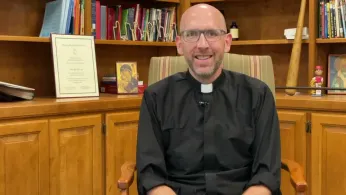
Local officials in Keller, Texas, part of Tarrant County, invited Reverend Alan Bentrip, pastor at St. Martin-in-the-Fields Episcopal Church, to offer the invocation at a recent city council meeting. The invitation was rescinded last week after officials learned of his involvement in hosting a Pride event on church property. The event, which took place a few months prior, attracted approximately 700 attendees and 140 vendors, with minimal protests following initial controversy.
Reverend Bentrip decided to host the Pride event in response to community needs, providing a space for LGBTQ+ individuals and allies to gather safely. Despite enduring online threats before and after the festival, the event proceeded smoothly, supported by local police who ensured security. When Bentrip arrived at the city council meeting to deliver his planned prayer, a staff member informed him of a supposed double booking, barring him from the program.
Undeterred, Reverend Bentrip utilized the public comment period to express gratitude to the community for supporting the Pride Festival and to commend the police for managing threats effectively. He noted that his undelivered invocation would have urged council members to make decisions guided by compassion and justice. This address prompted backlash from MAGA supporters, who accused him of seeking attention.
Mayor Armin Misani, representing the council, issued a statement admitting the double booking was not the true reason. Instead, they deemed it irresponsible to allow someone "out of step with the majority of our community and its values" to deliver the opening prayer, describing the role as a privilege, not a right. Misani posted this on Facebook, sparking a back-and-forth exchange where Bentrip called for support, care, love, and community unity.
The Episcopal Church, to which St. Martin-in-the-Fields belongs, has long affirmed LGBTQ+ identities, ordaining openly gay clergy and supporting same-sex marriage since 2015. Reverend Bentrip's actions align with this denominational stance, emphasizing inclusion for gay, lesbian, bisexual, transgender, queer, and other LGBTQ+ people within church spaces. This incident echoes tensions in other conservative areas where religious leaders supporting LGBTQ+ events face local political pushback.
LGBTQ+ advocates view this disinvitation as emblematic of selective religious freedom, where support for transgender people, gay families, and Pride events disqualifies clergy from civic roles. Reverend Bentrip's composure—choosing public thanks over confrontation—models the Christian values of grace he sought to invoke. Community responses on social media varied, with some praising his inclusivity and others decrying it as contrary to local norms.
This case underscores ongoing debates in U.S. municipalities about who qualifies to lead public prayers, particularly when those leaders champion marginalized groups like transgender youth and lesbian, gay, and queer families. As MAGA-aligned councils navigate such issues, incidents like Keller's may test boundaries of pluralism in governance. The church continues its mission, with Bentrip remaining committed to fostering safe spaces for all.