7 hours ago
Mika Reflects on "Grace Kelly" Origins in Recent Podcast: A Defiant Anthem of Self-Expression
READ TIME: 2 MIN.
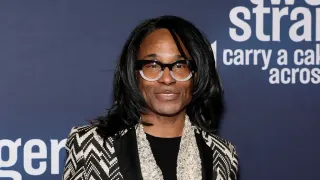
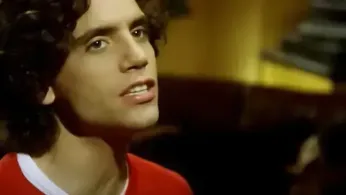
Lebanese-British singer Mika, known for his flamboyant pop style and chart-topping debut, recently appeared on the "Queer the Music" podcast hosted by Jake Shears, where he unpacked the backstory of his breakthrough single "Grace Kelly." Released on January 8, 2007, as the lead track from his album "Life in Cartoon Motion", the song topped the UK charts for five weeks and became a global phenomenon. During the November 11, 2025, episode, Mika explained that "Grace Kelly" stemmed from a frustrating meeting with a record company executive who urged him to alter his unique sound and image to resemble then-popular UK artist Craig David.
Mika recounted going home after the rejection, channeling his anger into the song's lyrics, which sarcastically question why he must change to gain approval: "Why don’t you like me? Why don’t you like me without making me try?" The track incorporates dialogue from Grace Kelly's 1954 film "The Country Girl", originally "Last time we talked Mr. Dodd, you reduced me to tears," altered to "Mr. Smith" as a nod to the executive. Its melody draws from the aria "Largo al factotum" in Rossini's "The Barber of Seville", blending opera with pop in Mika's signature theatrical flair.
The song's core message celebrates refusing to conform, with lines like "I could be brown, I could be blue, I could be violet sky" symbolizing boundless reinvention while asserting authenticity. Mika has consistently described it as born from fury at being told to "bend over backwards" for commercial viability, rejecting molds that demanded he sound older or more conventional. In the podcast, he connected this to his childhood, marked by family relocation from Beirut to Paris and then London amid financial hardships and his struggles with identity, finding refuge in music as a space for unapologetic expression.
"Grace Kelly" holds particular significance in LGBTQ+ circles, often interpreted as a queer anthem of flamboyant self-acceptance, echoing influences like Freddie Mercury—referenced in the lyrics—whom Mika emulates vocally. Its playful campiness and rejection of norms align with broader queer experiences of navigating societal expectations around gender expression and artistry. Mika, who came out as gay early in his career, has embraced this reading, using platforms like the podcast to affirm how such songs empower transgender people, non-binary individuals, and others in the community to embrace fluidity without compromise.
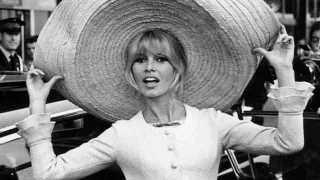
The track's success—chart-topping in multiple countries—proved Mika's vision viable, influencing a generation of artists prioritizing individuality over market dictates. Fan forums and analyses reinforce its layers, from industry critique to personal liberation, with some noting ironic parallels to Grace Kelly's own poised reinvention from actress to princess.
Nearly two decades later, "Grace Kelly" endures, as evidenced by its feature in queer-focused media like "Queer the Music," underscoring its timeless call for authenticity amid ongoing industry pressures on diverse artists. Mika's openness about his creative process inspires LGBTQ+ creators facing similar gatekeeping, reinforcing music's role in fostering inclusive spaces where all identities thrive without alteration.